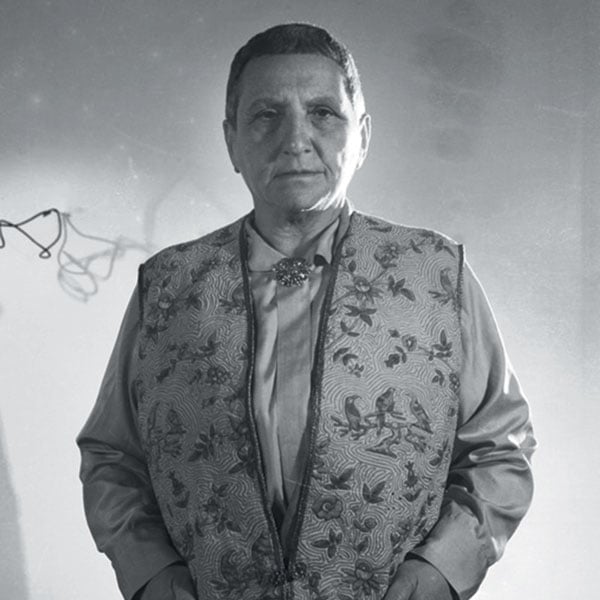
She may have been a North Sider only briefly, but Rick Sebak still counts the novelist, poet and playwright as part of the former Allegheny City’s legacy.
Carnegie Mellon University’s UDream program is a magnet that draws young minority architects and urban planners from around the country to settle and work in Pittsburgh.
Push yourself to the limit with 15 adventurous experiences close to home. We take you into the air, through the waves and across rugged ground for feats you’ll never forget.
Rising actress Margot Bingham has fought to land various roles on television and film, but she still turns to her high-school acting coach from Pittsburgh to reassure and prepare her to ‘show up every day being ready.’
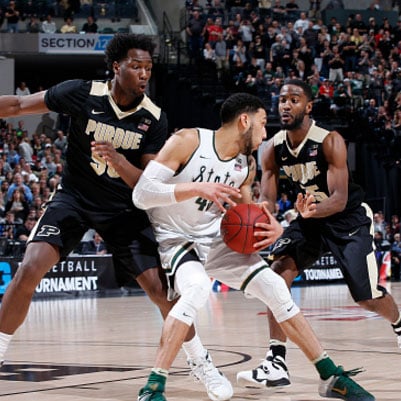
Sports blogger Mike Prisuta's brackets have more than a few upsets, including a stunner that will have some local fans booking last minute flights to Houston.
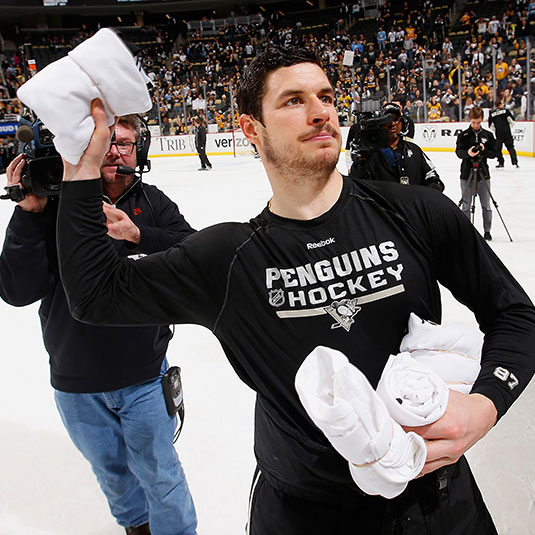
Between the lack of assets to trade in the first place, salary-cap complications and an apparent need to bolster the defense that became glaring once Ben Lovejoy got hurt, there wasn’t much General Manager Jim Rutherford was going to accomplish.
It’s fun and games at the Sen. John Heinz History Center as Howdy Doody, Barbie, Chewbacca, Slinky and other toy stars from the 1950s, ’60s and ’70s help to revive those happy childhood days of yesteryear.