Mahjong Madness: A Traditional Game Sees New Life
As the centuries-old Chinese tile game surges in popularity, Pittsburgh is experiencing a major mahjong boom.
PHOTOS BY LAURA PETRILLA
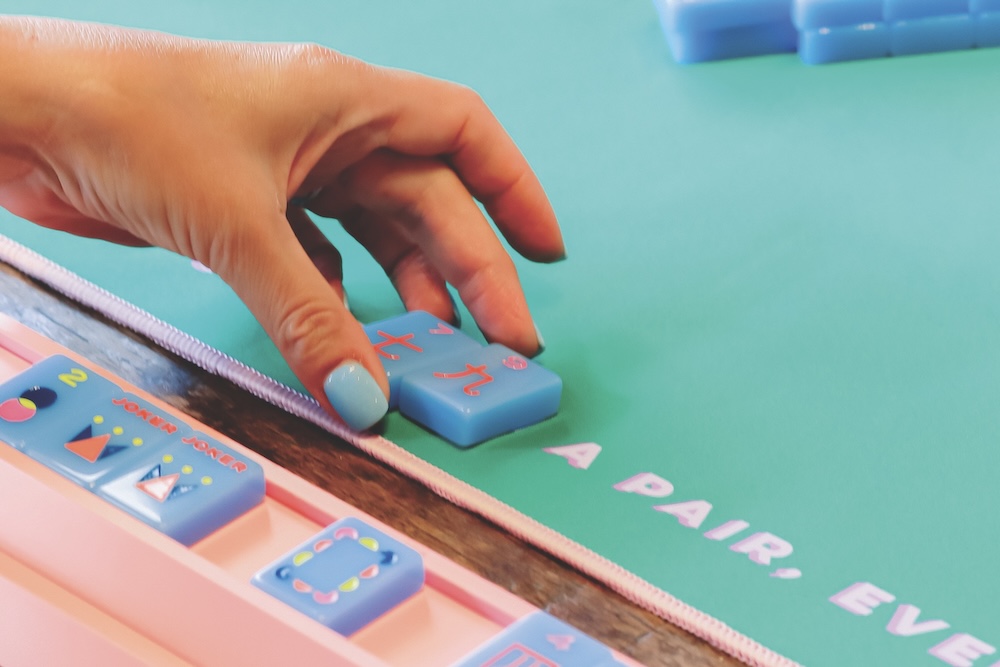
There are bams, dots and craks. There are pungs, kongs and quints.
It isn’t Dr. Seuss. It’s American mahjong.
The tile-based board game, which began in 19th-century China, has seen a considerable cultural resurgence in recent years; NPR reports that searches for local clubs have spiked thousands of percent, with Millennials and Gen Z in cities across the U.S. trading bar nights and phone screens for mahjong mats and trendy tiles.
Pittsburgh is no exception. Local groups such as Yinz Mahj keep players abreast of area mahjong meetups and also help connect potential players with teachers and associations, among them Pittsburgh Mahjong Club, PghMahjCorner and Pittsburgh Mah Jongg. The Steel City even has its own chapter of the Bambird Scramble, a flexible, self-scheduled American mahjong ladder league operating across more than 60 cities.
If that isn’t indication enough of the game’s popularity, a new mahjong-centered space, dubbed a “Mahjong Maison,” is opening in Sewickley this fall; Dot Dot Darling will offer multiple membership tiers, open play sessions and various classes targeted at beginner and intermediate mahjong players.
“This is the future of games,” says Liz Watkins, a mahjong enthusiast, teacher and local brand ambassador for The Mahjong Line, which sells high-end mahjong tiles and accessories. “Mahjong is just taking off like crazy in Pittsburgh.”
The Fox Chapel resident hosts lessons and open- and guided- play sessions through her self-run company, Country Club Tiles. From events at Mediterra in Cranberry to Local Remedy Brewing in Oakmont, Watkins welcomes experienced players and total rookies alike; her lessons draw folks from all walks of life, younger and older, who want to take part in the tactile, stimulating and screen-free game.
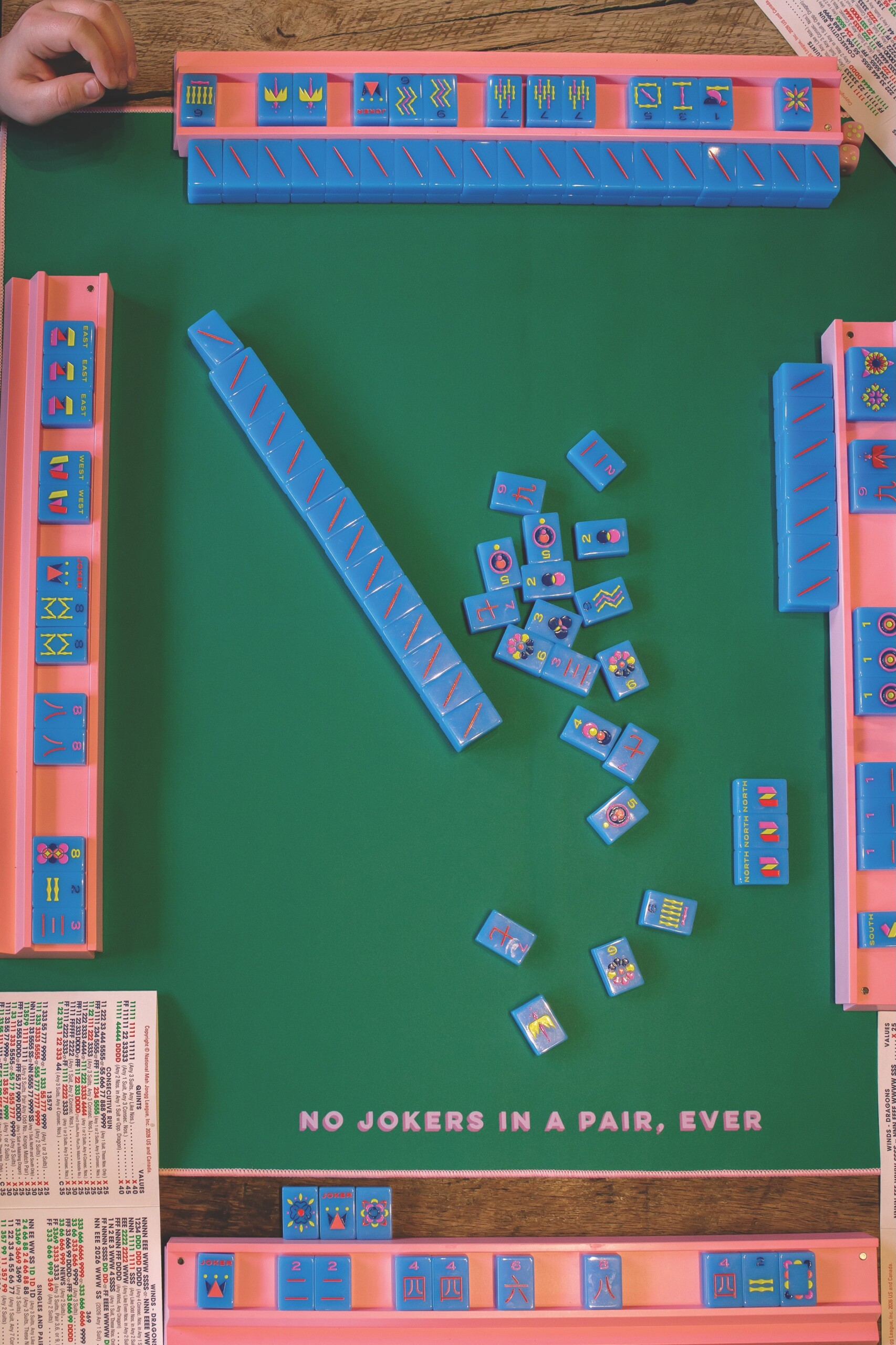
The goal of mahjong is to pick up and discard tiles to create one of the winning hands found on the National Mah Jongg League’s card, which is issued annually with slight changes. With anywhere from 152 to 166 tiles, and between 60 and 70 winning hand combinations, the game is not easy; Pittsburgh Magazine’s creative director Huck Beard and I learned that the hard way when we attended one of Watkin’s introductory sessions at Mediterra in Cranberry. But it is rewarding, Watkins says. Like many things, the joy comes from the journey, not the destination.
“I have people coming to my lessons for all [kinds of] reasons. Sometimes they come with friends. Sometimes they come alone,” she says. “I’ve had people who are widowers and they’re just looking for connection. They want community, and I think mahjong gives that to you in a very special way.”
Watkins began playing mahjong in 2024 and started teaching the game to others in 2025. After first noticing folks posting online about mahjong shortly after Covid-related restrictions were lifted, Watkins says the game’s popularity has exploded locally; she adds her lessons at local cafes regularly sell out. When she announced her first session at Il Pizzaiolo in Warrendale in April, for example, all spots filled within an hour. Within a day, she had filled five classes, plus a waitlist.
“The demand is great, and the excitement and enthusiasm around mahjong is just really incredible,” she says.
It isn’t all fun and games; Watkins says mahjong is also great for the brain — so great, in fact, that she’s partnering with the local Alzheimer’s Association to host a mahjong benefit at the Fox Chapel Golf Club on Sept. 24.
“One of my goals in addition to spreading the joy of mahjong was to find a way to mahj for good,” Watkins says. “The social benefits [of mahjong] are great, but it’s also a really great brain building and strengthening activity.”
The National Institute of Health agrees; a study published in 2020 found that playing mahjong for 12 weeks significantly improved cognitive function in elderly patients with mild cognitive impairment.
Watkins hopes the fundraiser will become an annual event, especially as the hype around mahjong shows no signs of slowing anytime soon.
Want to attend a mahjong lesson or session? Get in touch with Watkins on her Instagram page (@countryclubtiles) or email her at countryclubtiles@gmail.com.
Where to Start?
If the mahjong boom has sparked your interest, but you aren’t sure where to begin — valid, considering how many different types of tiles and sets you can find online — here are two newer brick-and-mortar locales you can check out on your journey to become Pittsburgh’s next mahj master.
This self-described “Mahjong Maison” is opening in Sewickley this fall. It will offer multiple membership tiers, open play sessions and various classes targeted at beginner and intermediate mahjong players.
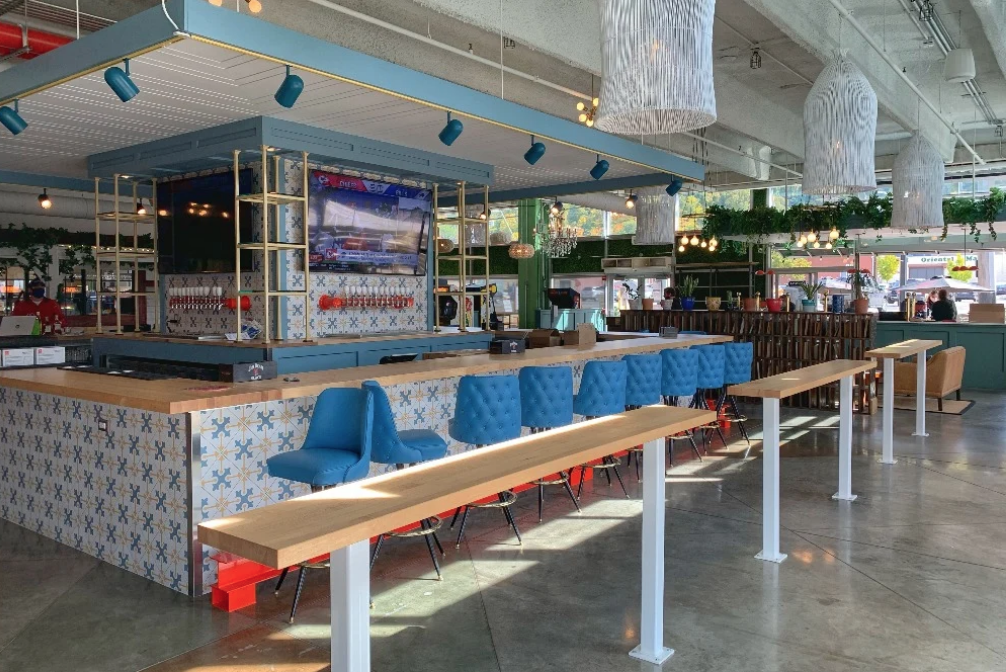
Now open in Southpointe in Canonsburg, the Mahji Bird is Pittsburgh’s first mahjong studio and retail boutique. It welcomes players of all levels to a new space to learn, play, shop and connect through lessons, open play
and a curated collection of
tiles and accessories.