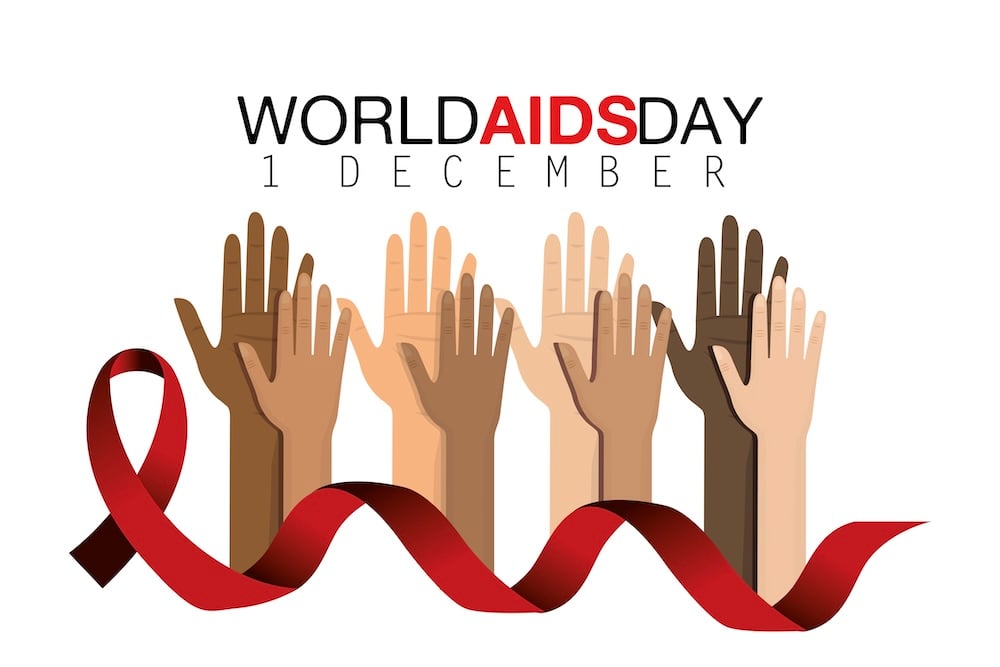
Pittsburgh World AIDS Day Honors Those Lost to the Disease
The Dec. 1 event will also recognize individuals and organizations that have made a difference in the lives of those living with HIV/AIDS in the Pittsburgh region.
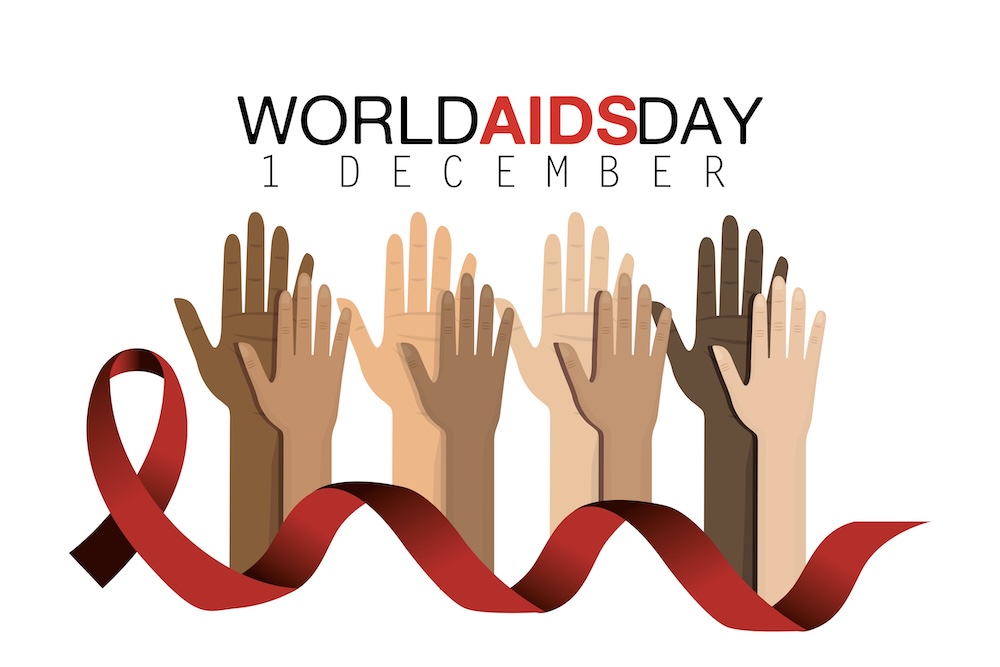
PHOTO VIA ADOBE STOCK
A Pittsburgh group is honoring those lost to the HIV/AIDS epidemic — and highlighting the importance of ending the ongoing stigma surrounding the disease.
On Dec. 1, local community members, healthcare providers and advocates will come together as part of the 39th annual Pittsburgh World AIDS Day Commemoration. The free event begins at 6 p.m. at the Shepherd Wellness Community, an HIV/AIDS community center in Bloomfield, with a reception following. Organizers say the evening will bring people together to remember those who have died, honor those who continue to live with HIV and recognize individuals and organizations whose dedication has strengthened the community and supported life-saving medical advancements.
“World AIDS Day gives us an opportunity to remember, honor and come together,” says Richard Krug, executive director of Shepherd Wellness Community.
More than 700,000 people in the U.S. have died from AIDS-related complications since the epidemic was first recognized by the Centers for Disease Control and Prevention in 1981. Once a sure death sentence, HIV/AIDS was long neglected by medical experts, who dubbed it “gay cancer” for its disproportionate impact on the LGBTQ+ community.
Historians see the epidemic as a watershed moment in queer history, albeit a heavy one. By 1995, 1 in 9 gay men in the U.S. were diagnosed with AIDS, and 10% of the 1.6 million men aged 25-44 who identified as gay had died — decimating the generation of queer folks born 1951-1970. These staggering statistics have led historians and LGBTQ+ advocates to dub that cohort “a lost generation.”
To honor the hundreds of thousands lost to the disease, World AIDS Day has been held nationally since 1988. Since 1993, every U.S. president has issued an official proclamation for World Aids Day, although in 2025, President Donald Trump stated that he would not recognize it, instructing State Department employees to “refrain from publicly promoting World AIDS Day through any communication channels,” according to the New York Times. The directive is part of a broader Trump administration policy to “refrain from messaging on any commemorative days, including World AIDS Day,” according to an email viewed by the New York Times. No national proclamation has been issued since then-President Joe Biden’s in 2024.
The lack of federal support only demonstrates the importance of local, city- and state-level events, like the one in Pittsburgh, officials say.
“This year’s theme, Stronger Together, reminds us that none of the progress we have made would have been possible without people willing to stand beside one another,” Krug says.
While many may think of New York City or San Francisco as hotbeds of AIDS/HIV-related deaths and advocacy in previous decades, Pittsburgh also played a significant role in the history and treatment of the disease. Local advocates, however, have highlighted how little the city’s own history has been discussed as part of the national conversation.
University of Pittsburgh researcher Dr. Charles Rinaldo treated an Oakland patient with pneumocystis pneumonia and cytomegalovirus in 1981 — one of the earliest AIDS cases reported to the CDC. A few years later in 1983, Rinaldo, David Lyter and Dr. Monto Ho put together an application that would eventually lead to the federal funding of the Pitt Men’s Study, beating out researchers across the country. The study has contributed to over 1,700 scientific publications to date, shaping understanding of HIV’s natural history, antiretroviral therapy, pre-exposure prophylaxis (known as PrEP), HIV persistence and age- or treatment-related health conditions, according to UPMC.
“Once the first CDC report on AIDS was published in 1981, I immediately realized how important and potentially central this could be to my virus immunology research,” Rinaldo told reporters in 2024, ahead of the study’s 40th anniversary. “I chose that path and never looked back.”
In recent decades, advancements in medical science, along with efforts to destigmatize the disease, have led to significant breakthroughs in care, both in Pittsburgh and nationally. While a diagnosis in the 1980s brought a grim prognosis of certain death within 1-3 years on average, access to early and consistent antiretroviral therapy allows patients diagnosed today to live a near-normal life.
But organizers of the Pittsburgh World Aids Day Commemoration say the fight is far from over.
“While we have made incredible progress in the fight against HIV, we cannot forget the more than 29,000 Pennsylvanians who have lost their lives since 1981, or the more than 3,700 individuals regionally living with HIV today,” says Richard Smith, vice president at Jewish Healthcare Foundation, in a statement. “For those who remember the 1980s and 90s, it was a time when communities came together out of necessity, caring for one another, fighting stigma, demanding change and making sure no one had to face this disease alone. That same sense of compassion, determination and community is what brought us this far, and it remains just as important as we continue working towards our future goal.”
The Pittsburgh World AIDS Day Commemoration will be hosted by “Pittsburgh’s First Lady of Drag” Kierra Darshall and will include music by the Heritage Gospel Chorale of Pittsburgh and Bagpiper Chris Nolan. Rounding out the event will be speakers, reflection and special recognition of four individuals and organizations whose contributions have made a lasting difference in the Pittsburgh region:
The Pitt Men’s Study
Since the 1980s, the Pitt Men’s Study has made groundbreaking contributions to HIV/AIDS research in the Pittsburgh region.
Dr. Mary Hawk, professor and chair, Behavioral and Community Health Sciences and Infectious Diseases and Microbiology, Pitt
Hawk has had a longstanding commitment to HIV/AIDS research, education and advocacy, as well as improving the lives of people living with HIV. Through her work, she has helped advance understanding, strengthen services and keep the needs and experiences of people living with HIV at the center of the conversation.
Diana P. Byas, manager, UPMC Health Plan – Maternity Baby Steps Program
Byas is being recognized for her compassionate leadership, advocacy and unwavering commitment to supporting people living with HIV. Her work reflects the importance of providing care that is not only clinically sound, but also compassionate, affirming and responsive to the needs of each individual.
Kathi Boyle (Posthumously) former executive director, Pittsburgh AIDS Task Force
Boyle will be remembered for more than 45 years of dedication to the HIV/AIDS community. Her leadership, compassion and commitment to people affected by HIV/AIDS left an enduring mark on Pittsburgh and the many lives she touched throughout her remarkable career.