Apteka and Lilith Both Earn 2026 James Beard Award Semifinalist Nods
Lilith's Jamilka Borges got the nod for Best Chef: Mid-Atlantic, while Apteka was recognized for its wine program.

APTEKA PHOTO BY LAURA PETRILLA
Pittsburgh made a strong showing when the James Beard Foundation announced its 2026 Restaurant and Chef Awards semifinalists this week.
Apteka was named a semifinalist for Outstanding Wine and Other Beverages Program. Jamilka Borges, co-owner and chef at Lilith, earned a semifinalist nod for Best Chef: Mid-Atlantic, a category that spans Pennsylvania, New Jersey, Delaware, Maryland, Virginia and Washington, D.C.
The honors place Pittsburgh squarely in the national culinary conversation ahead of finalists being announced on March 31. Winners will be revealed at the James Beard Awards ceremony on June 15 in Chicago (at the Lyric Opera of Chicago).

PHOTO BY LAURA PETRILLA
Apteka’s Beverage Program Gets Its Moment
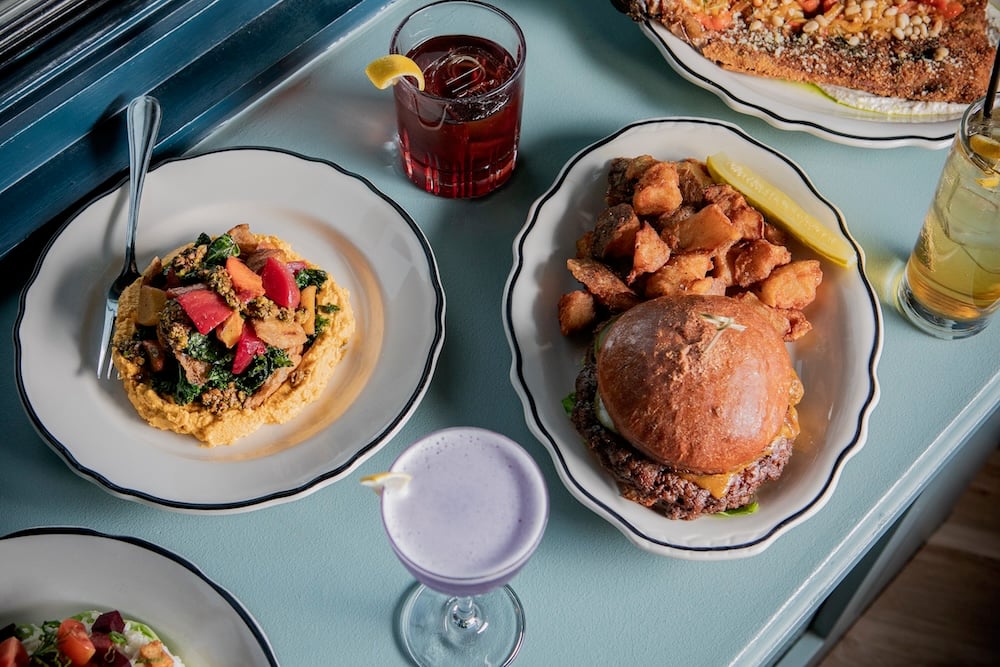
While Apteka has long been celebrated for its plant-based takes on dishes rooted in Polish, Ukrainian and broader Eastern European traditions, the James Beard nod shines a spotlight specifically on its wine and beverage program.
The Outstanding Wine and Other Beverages Program category is specifically about a restaurant’s beverage program, and the James Beard Foundation notes that eligible restaurants must have been operating for at least three years, making the semifinalist nod a signal of sustained excellence and longevity.
Opened in 2016 by Kate Lasky and Tomasz Skowronski, Apteka operates not just as a restaurant but also as a ‘Vinoteka,’ with a tightly defined philosophy guiding what makes it onto the list. The wine program focuses exclusively on natural, organic, and biodynamic wines, typically fermented with native yeast, unfined and unfiltered, vegan, and kept to low sulfur levels.
Apteka regularly highlights small producers from lesser-represented European regions — including Austria’s Weingut Jurtschitsch, France’s Olivier Cousin and Burgenland’s Wachter-Wiesler — alongside a rotating selection of similarly minded bottles.
The restaurant also runs VINOTEKA on Thursdays, a wine-forward service with a shortened food menu designed around the bottle list rather than the other way around.
Wine is only part of the picture. One of the program’s most distinctive elements is its foraged tea and non-alcoholic beverage program, led by kitchen team member Zach Rihn, who harvests wild plants across Western Pennsylvania.
“He picks a bunch of wild Western Pennsylvania teas — things I’ve never seen anywhere else as beverages,” Lasky says. “Things like sycamore or bark tea; they’re exceptional, and he does them seasonally.”

APTEKA PHOTO BY LAURA PETRILLA
That same foraging ethos carries into Apteka’s cocktail program, which is built almost entirely from scratch. During the summer months, the team gathers “hundreds and hundreds of pounds of fruit,” Lasky says, which are later transformed into house-made cordials, juices and ferments that form the base of both cocktails and non-alcoholic drinks.
Recent examples include a fermented rose hip soda paired with Slavic bitters, and a poppy seed milk cocktail made with house-ground poppy seeds, raisins and rum.
Wine decisions are handled collaboratively yet deliberately. Lasky and Skowronski select all bottles, and the front-of-house team plays a central role in translating those choices to guests.
Longtime front-of-house manager Kolin Smith, who is wrapping up his tenure at Apteka, helped shape the program’s service approach.
“Our approach to wine education isn’t about memorizing regions or grape varieties,” Lasky says. “It’s about understanding how wine is made and learning about producers and their projects — especially in Central and Eastern Europe, which a lot of places overlook.”
That philosophy also shapes how Apteka talks about wine with diners.
“The world of wine is so vast,” Lasky says. “We’re more interested in people approaching it with curiosity than coming in with fixed expectations.”

LILITH PHOTO BY LAURA PETRILLA
Jamilka Borges Recognized for Culinary Leadership
At Lilith, chef Jamilka Borges’ semifinalist nod for Best Chef: Mid-Atlantic reflects both the restaurant’s rapid ascent and her long-standing influence on Pittsburgh’s dining scene. Now in its third year, Lilith represents a culmination of Borges’ nearly two decades in Pittsburgh kitchens.
Borges learned about the nomination while on a winter break in San Juan, Puerto Rico, during the one week Lilith is closed each year. She was out on a run with Lilith’s co-owner, Dianne DeStefano, when Nick Forsberg, chef and owner of Fet-Fisk, texted to congratulate her.
“I was completely surprised,” Borges says. “We work really hard, and our staff works really hard, so it felt really good to see that collective effort recognized.”
The timing carried extra meaning: Borges turns 40 this week, making the recognition feel like a personal milestone layered onto a broader moment of reflection.
Named one of Pittsburgh Magazine’s Best Restaurants in 2025, Lilith opened in 2023 as a deeply personal project for Borges and DeStefano, drawing on Borges’ Puerto Rican roots and DeStefano’s Sicilian heritage.
Borges has been careful not to frame Lilith as a traditional Puerto Rican restaurant. Instead, she describes her cooking as personal, shaped by what she learned from her mother and grandmother and adapted to local, seasonal ingredients.

PHOTO BY LAURA PETRILLA
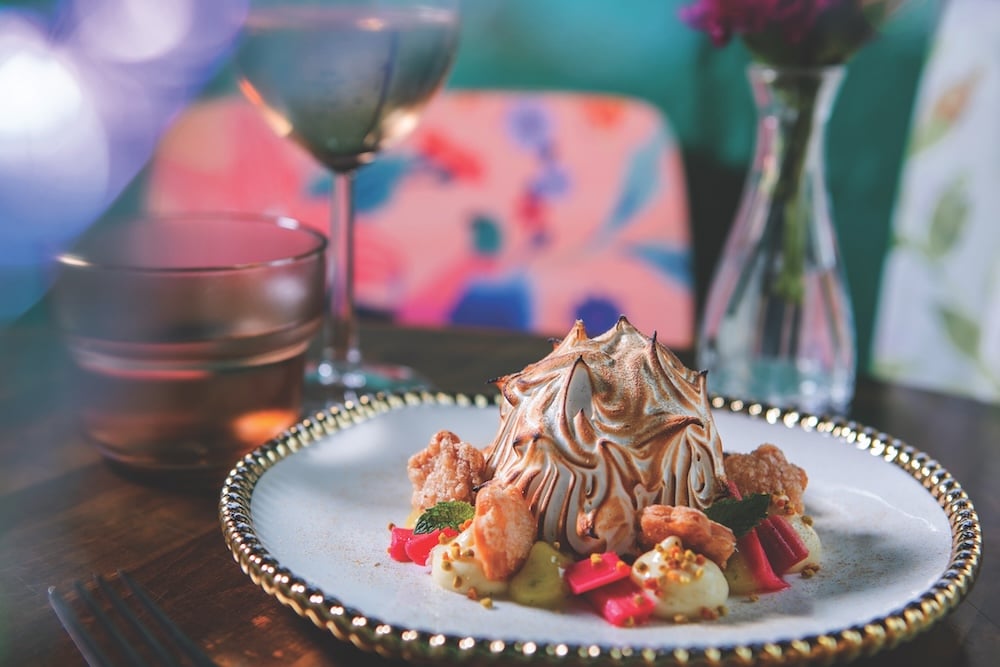
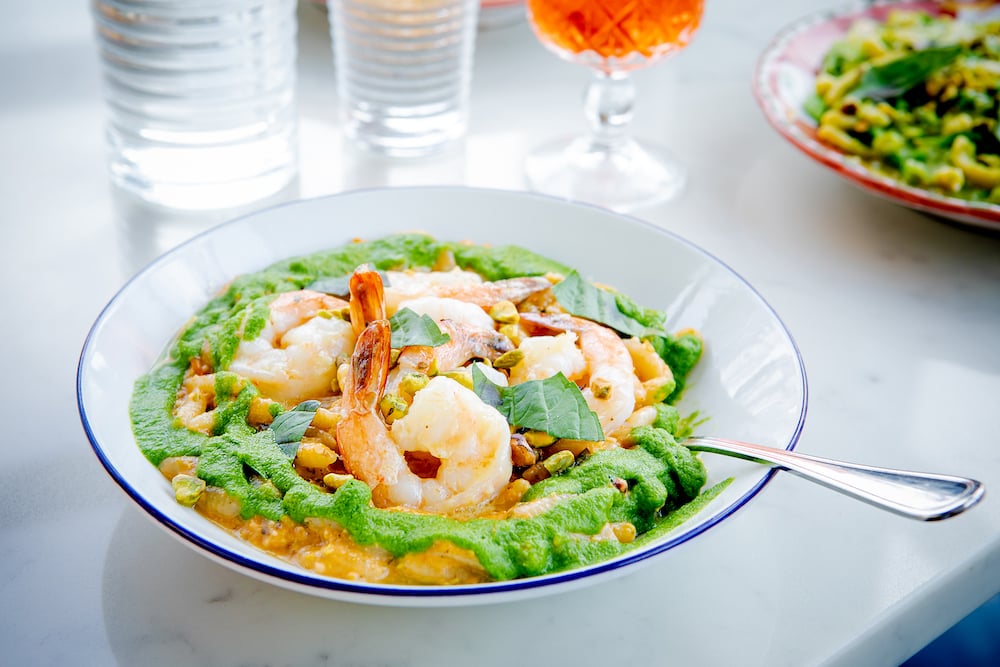
That personal history shows up in specific ingredients Borges returns to again and again — plantains, taro root, guava, tamarind, passion fruit and sofrito-driven aromatics — folded into seasonal cooking rather than presented as strict reproductions. Recent menus have included dishes like crab and halibut cakes with taro root purée, tuna tartare with pan sobao crostini, and ricotta ravioli layered with pork ragu, sofrito, and saffron.
Borges has been in Pittsburgh for 19 years, with leadership roles at Legume Bistro and Bar Marco, alongside years of community work focused on food education, preservation and fundraising. Outside the restaurant, Borges has long tied her work to community causes, including fundraisers for 412 Rescue and Action Against Rape, as well as an annual multi-chef fundraiser in Kentucky that supports women in the industry.
In the kitchen, she leads by example.
“I show up and I work really hard,” she says. “I’m not afraid to jump on the dish pit or do anything in the restaurant. That’s what I expect from others, too.”