Churchview Farm in Baldwin Readies For Its Next Era
The sustainable family farmette gets a boost with the construction of an indoor teaching and event space.
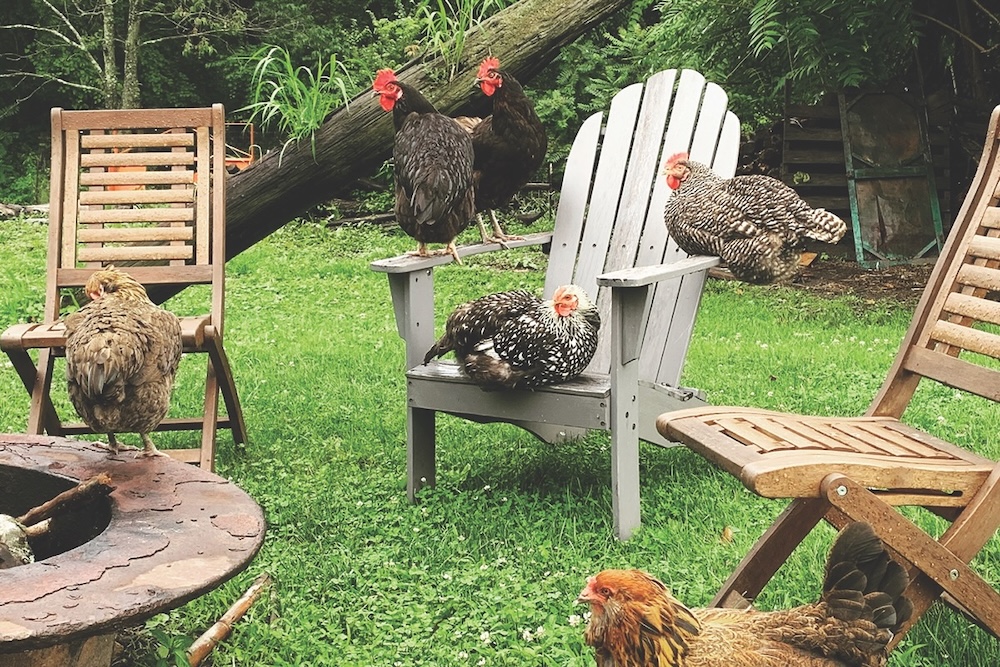
PHOTO COURTESY CHURCHVIEW FARM
To attend an alfresco dinner at Churchview Farm is to be transported to a magical land that feels lightyears away from city limits. In reality, this sustainable family farmette is located in Pittsburgh’s South Hills in the heart of Baldwin Borough.
It’s easy to see why owner Tara Rockacy adores calling this place home. She shares the land with her two dogs, three cats and three pet goats (all adopted rescues), plus a flock of chickens; there’s also an apiary offering seasonal raw honey and contributing to vital crop pollination.
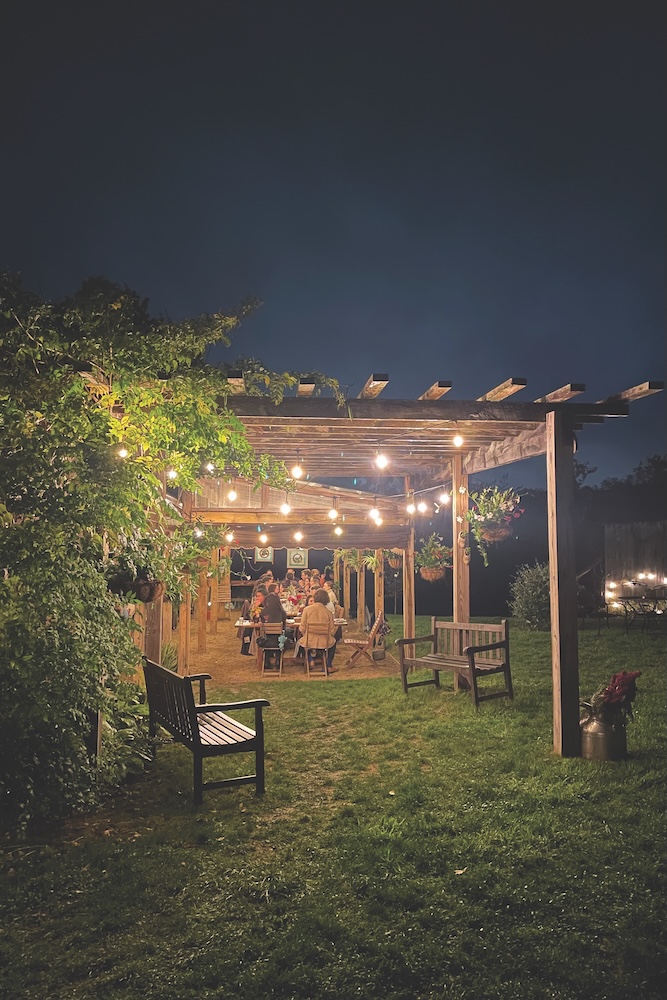
PHOTO COURTESY CHURCHVIEW FARM
Now, big changes are coming to the space after a nearly five-year journey — changes that Rockacy says will expand the farm’s educational offerings and bring it closer to her ultimate vision.
Last June, in the middle of an enchanting farm-to-table feast, Rockacy paused diners’ banter for an exciting announcement. The farmer and educator, who lives on the property once owned by her grandparents, Hilda and Emil, had just returned from a council meeting; she’d finally received approval to build a teaching and event space that includes a dining/classroom capacity for around 40 people.
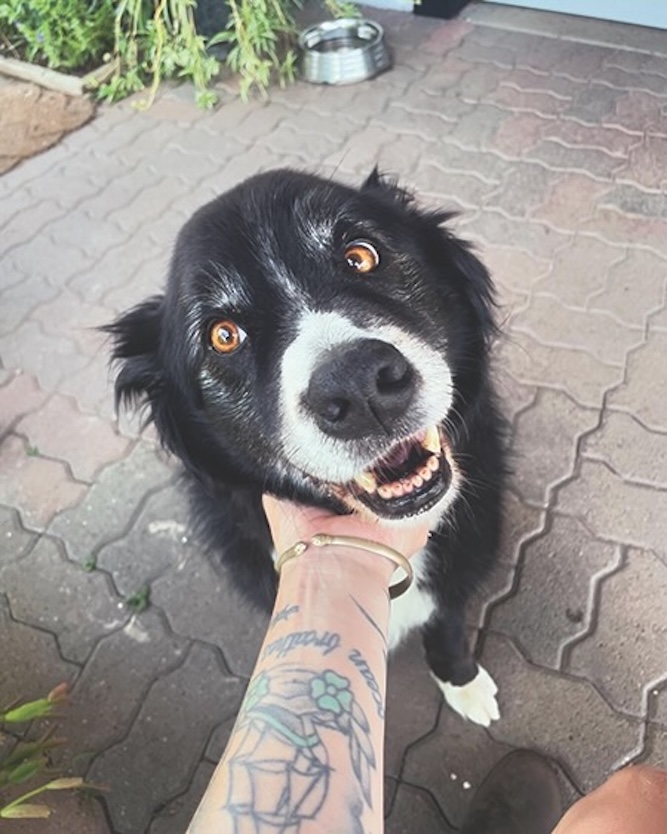
PHOTO COURTESY CHURCHVIEW FARM
The addition will be a multi-purpose community engagement space for education, the farm’s primary mission, and for events that sustain it, Rockacy says. Until recently, having only outdoor space limited the venue’s ability to host year-round events. With the teaching kitchen project’s approval, that will soon change.
In May, Rockacy requested bids for the construction of the building. Though the start of construction got bumped back due to design and engineering delays, Rockacy expects a slate of new indoor workshops and classes to commence in 2027 — and to continue year-round after that.
Traditionally, the farm’s outdoor dining events, including Sunday Dinners and a Weeknight Dinner Series, take place from May through October. This season, however, the first Sunday Dinner meal will take place in late July. The Weeknight Dinner feasts will resume in July.
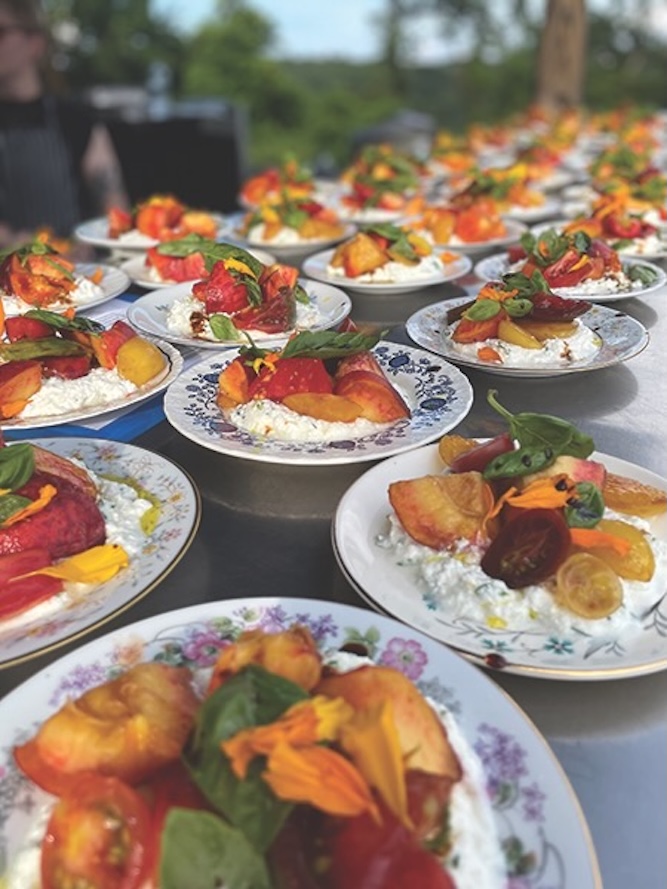
PHOTO COURTESY CHURCHVIEW FARM
With the additional venue, Churchview aims to be an incubator of sorts while hosting chefs from other markets; indoor events will be smaller and more generalized. Workshops might span from cocktail-making to flower-assembling; a pizza oven could complement family cooking classes. Alison Hillard, Churchview’s general manager and “event maven,” sees this as a hugely exciting point of growth.
But what Rockacy and Hillard are most excited about is what Churchview will be able to offer in terms of education and classes. The farm already has a strong partnership with Grow Pittsburgh that they hope to enhance, and they also hope to foster relationships with other local urban gardens, such as Braddock’s Sol Patch.
“The sky is the limit,” Rockacy says.
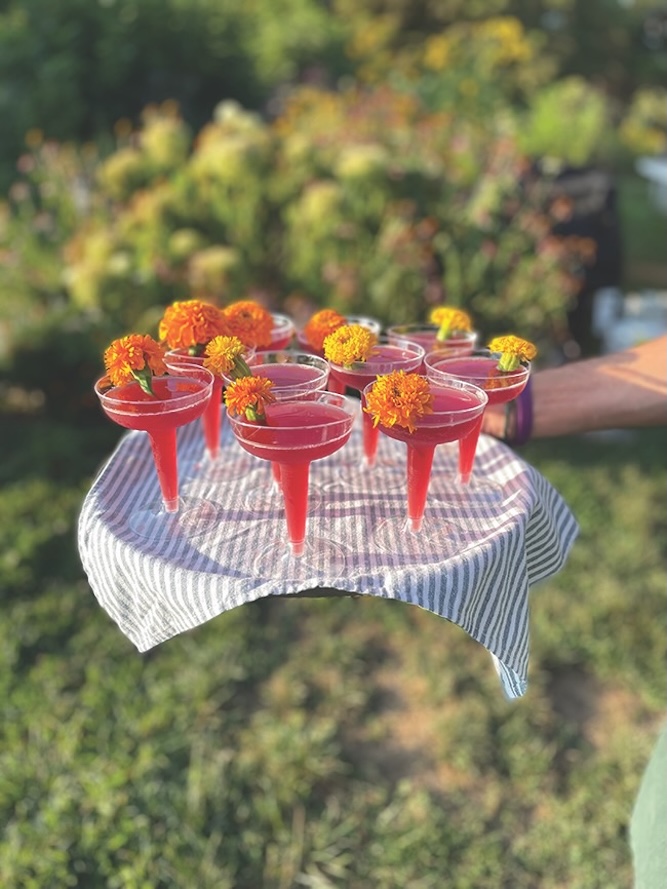
PHOTO COURTESY CHURCHVIEW FARM
Churchview Farm follows a unique model — not as a production farm, but as a teaching and learning hub that prioritizes relationships and engagement within its community. Rockacy doesn’t sell any of the farm’s products (fruits, vegetables, herbs, eggs, honey) to restaurants or the public.
Instead, Churchview is financially sustained by seasonal farm-to-table experiences and private events. Everything is grown by and given to those who take part in Churchview’s zero-cost, community-based workshare and volunteer programming. Much of the food also gets distributed to guest chefs during onsite gatherings.
“Let me be clear that this business wouldn’t exist without chefs in Pittsburgh willing to share their gifts and talents,” Rockacy says.
Those chefs include Philip Call from Jillian’s Restaurant in New Kensington, who had prepared the meal at which Rockacy announced the farm expansion project’s approval. Some of this year’s meals have also showcased chefs from venues such as Lilith, Black Radish and Altius.
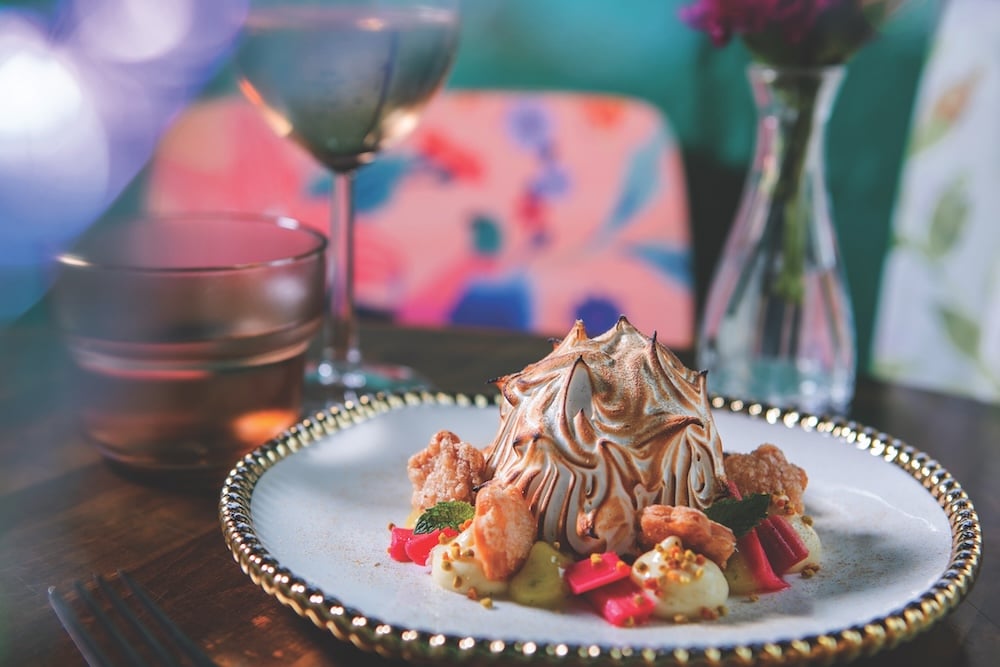
“Farm-to-table isn’t something that we say lightly,” Rockacy says. “It’s the core of these dinners and each dish on each menu.”
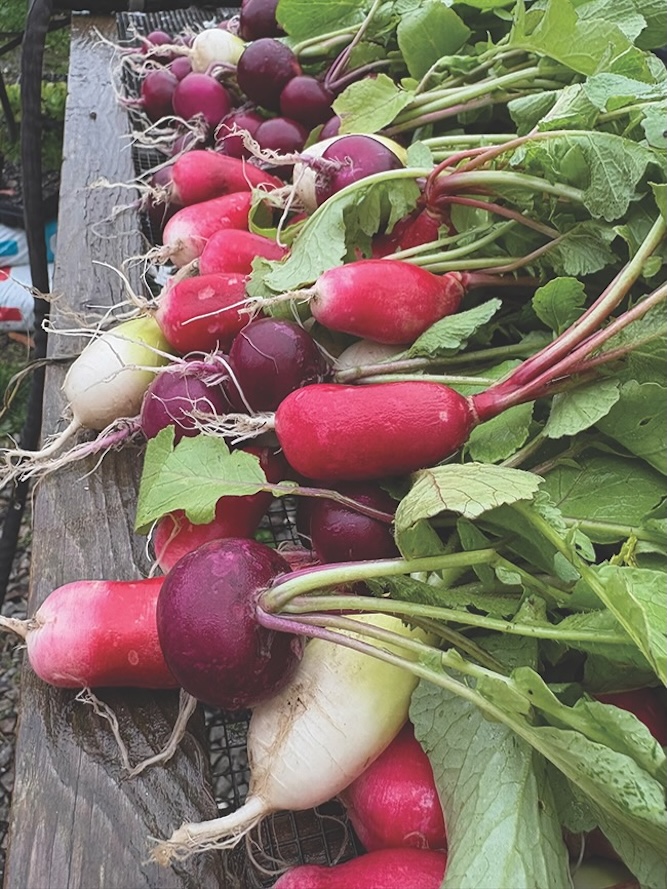
PHOTO COURTESY CHURCHVIEW FARM
Hillard notes how everything Churchview does, including its farm-to-table events, is a labor of love.
“This includes Tara’s leadership, as well as her close relationships with so many leaders in the hospitality industry, her vision and passion for her business and her commitment to sustainable agriculture and education,” she says.
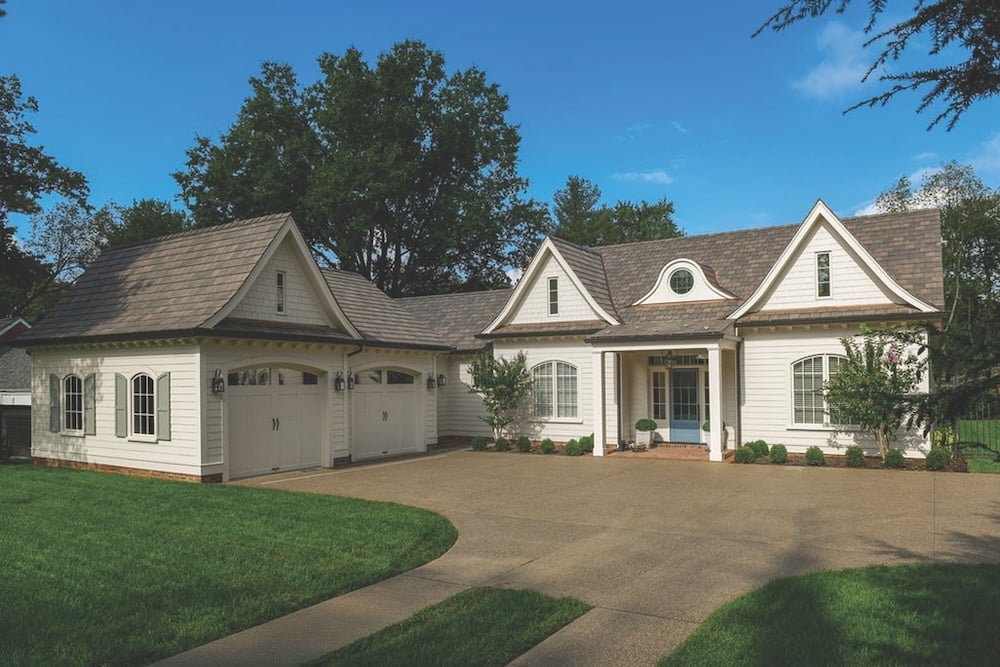
Sustainability is a non-negotiable for the venue, which already has solar panels on the house and garage as well as other environmentally friendly elements such as a composting toilet, which is inside a fancier outhouse than one might imagine. The farm also uses sustainable agricultural practices, treats all animals humanely and raises food without the use of chemicals, pesticides or herbicides.
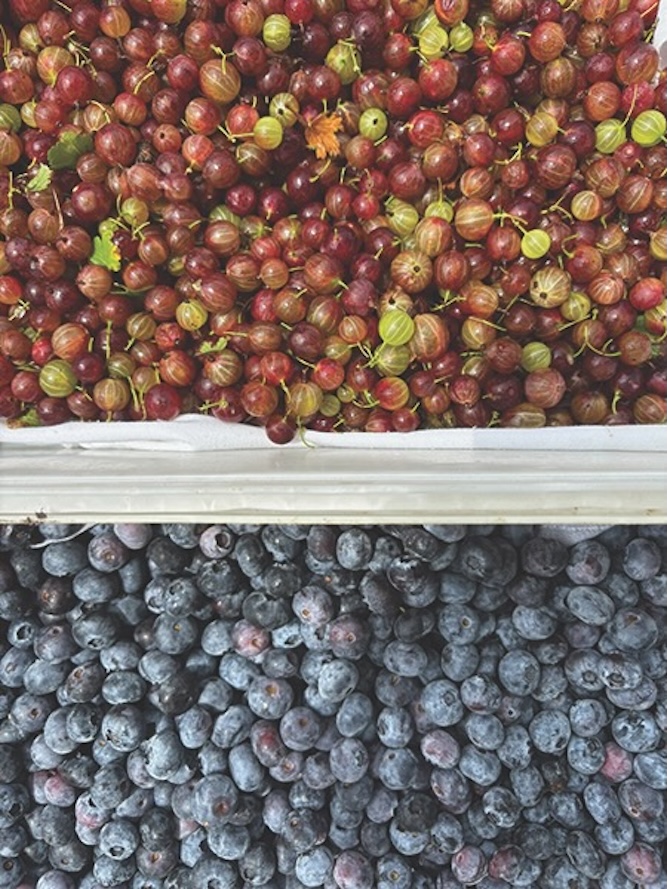
PHOTO COURTESY CHURCHVIEW FARM
Rockacy’s parents, Bill and Marjean, are present and supportive behind the scenes at Churchview; Marjean even arranges all the flowers for events. Rockacy grew up just down the hill from Churchview, in the house where her parents reside. She moved to the farm in 2007 and bought it in 2009. Her grandfather had died and her grandmother was moving to assisted living; no one was interested in purchasing the property.
That’s when Rockacy swooped in.
At the time, she was still juggling her role at the Carnegie Library, where she worked for 13 years. Though she never imagined she’d start a farm, Rockacy had picked up gardening while living in Squirrel Hill. After being drawn back to her family’s land, she took the opportunity to explore her new hobby before evolving into the farm’s current model.
These days, Rockacy says she can’t count how many farmers — from near and far — have reached out wanting to pick her brain on the success of Churchview. The novelty of living on her grandparents’ land hasn’t worn off either. Every morning, she walks out to witness the land stirring to life and marvels, “I get to live here!”
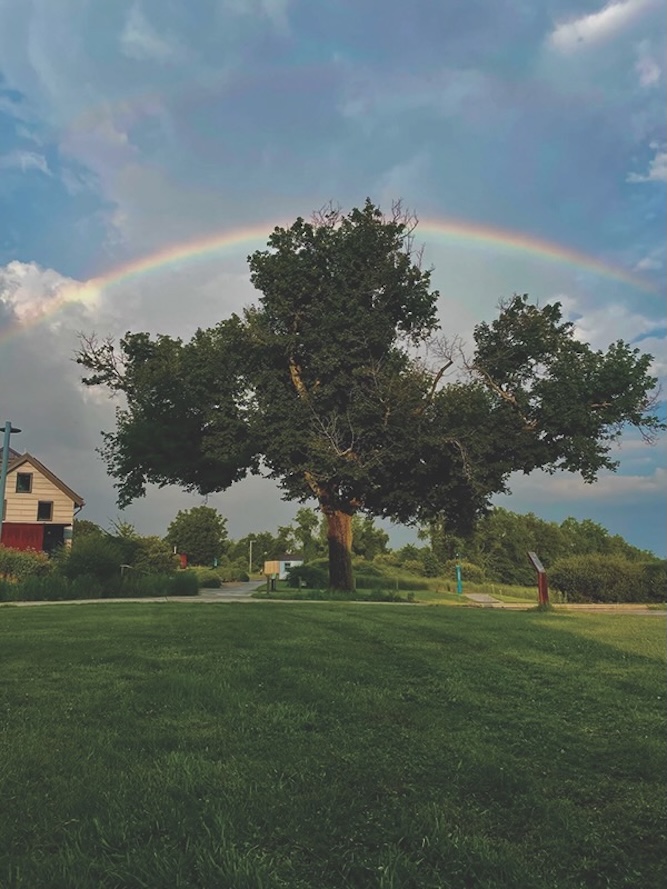
PHOTO COURTESY EDEN HALL
More Farm Dinners For You to Explore
Amid all of its greenery, Phipps Conservatory in Oakland draws curious cooks and gardeners to its Waste Not Dinner series, Recipes for the Patio, Plant Forward Meals and Dinner at the Chefs Table events, including a Summer Harvest Dinner on July 22. (Some programming is connected to the summer show theme, Alice in Wonderland.) On June 23, “Recipes for the Patio” features chicken souvlaki, peach caprese and goat cheese balls. On Aug. 25, chicken lettuce cups, grilled eggplant rolls and heirloom salad take center stage.
For the third year in a row, Soergel Orchards in Wexford is hosting Homegrown Happy Hours. Taking place June 10-11, July 22-23 and August 12-13, the evening starts with a first course inside one of the venue’s greenhouses. Afterward, guests travel by tractor to two other venues to enjoy more courses while owners of the family-run orchard chat about their business. The event concludes in McIntosh Hall with the final course and dessert. All menus feature fresh, seasonal food paired with cocktails from local distilleries and breweries.
“The most magical part is being outside, seeing new and different parts of our farm while enjoying delicious food, drinks and great conversation,” says Amy Soergel. “Guests have told us it’s unlike anything they’ve ever done, and we have repeat guests year after year. The farm after-hours always becomes a special, quieter place that we love to share with the community.”
Within the storybook setting of Coraopolis’s Hyeholde, the Black Tie Farmers Market and Spring Dinner returns on June 11; an Annual Pig Roast takes place July 23. For each meal, the culinary team puts together thoughtful, regionally sourced menus outlining every dish and where its ingredients came from. Often, that means hyper-local farms as well as Hyeholde’s own gardens. (The Honey Harvest Dinner in the fall, for example, features honey from Hyeholde’s apiaries, as well as a pear brandy sourced from their own pear trees.)
This will be the third consecutive year of Farm to Fork dinners at Chatham University’s Eden Hall Campus in Richland. During this popular dining series rooted in the seasonal bounty of Western Pennsylvania, Parkhurst Dining chefs serve vegetable-forward fare spotlighting produce harvested at Eden Hall Farm and partnering local farms.
Catering manager Hannah Dillon says that, from the beginning, the goal of the dinners has been “reconnecting people to where their food comes from, to the work being done by the School of Sustainability and to the idea that education doesn’t just happen in classrooms.”
“Food is served in an approachable, choose-your-own-adventure style,” says Dillon. “Guests can build a full meal or simply stop by for a house-made dessert.”