Perspectives: What I learned Moving From Rochester to Pittsburgh
Pittsburgh Magazine’s summer intern shares her experience of becoming a Yinzer.

PHOTO VIA PITTSBURGH MAGAZINE ARCHIVES | ” I ACCEPTED PITTSBURGH’S OBSESSION WITH PIEROGIES A LITTLE QUICKER,” SHIELDS-ROSSI WRITES
I grew up in Rochester and, prior to moving to attend college at Duquesne University three years ago, I had never stepped foot in Pittsburgh.
Rochester and Pittsburgh are both midsized cities with industrial roots (Kodak and steel respectively) and both are known for less than ideal weather during the colder months. So I thought, how different could they be?
Very, I quickly learned.
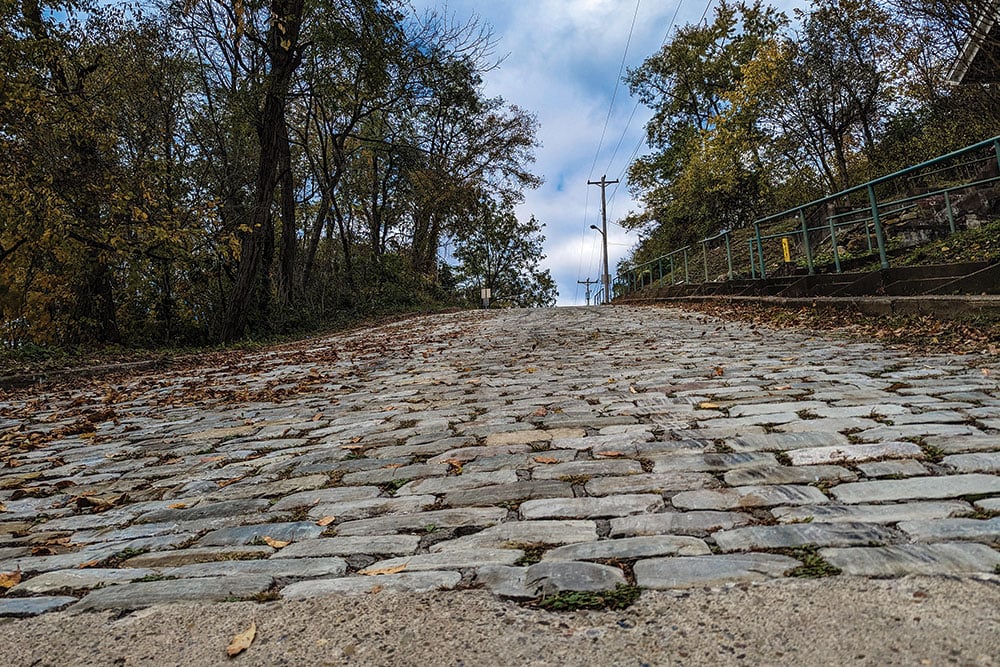
The first clear difference I noticed is the topography. Rochester is relatively flat, so I was in for a rude awakening when I found out about the hills of Pittsburgh. In my first few weeks of college, as I explored the city with friends, I noticed a clear divide between the native Pittsburghers and the out-of-towners.
The first group was able to walk up the hills with ease, the other group (including me) trailed behind, out of breath and sweating. To me, it seemed that to go anywhere in Pittsburgh, you must brave a hill. But in the past three years, my calf muscles have grown, and I have learned to appreciate the beautiful vistas that come with the elevation.
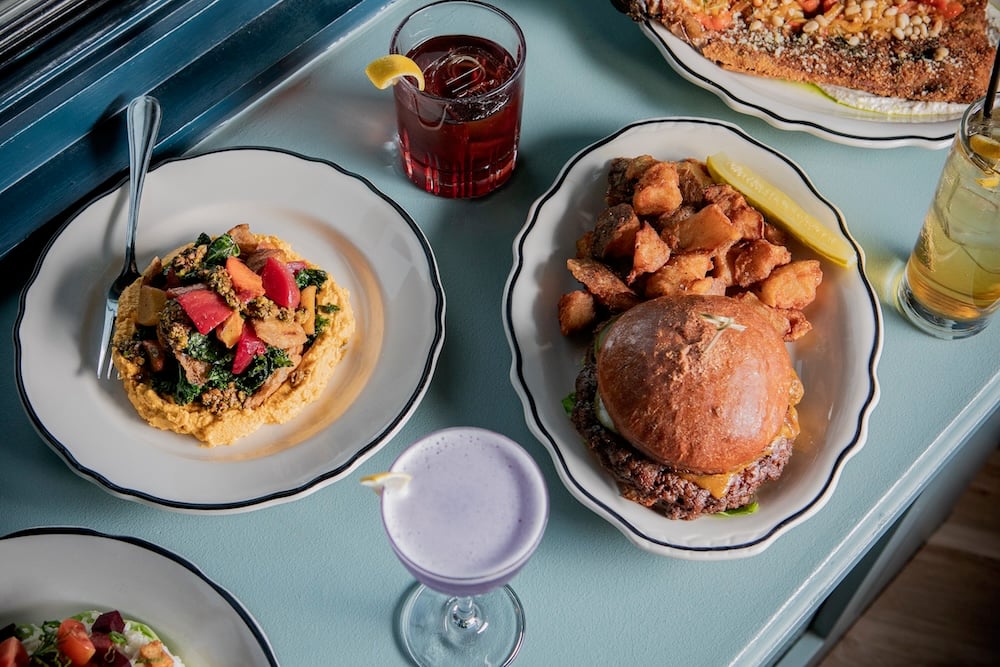
I accepted Pittsburgh’s obsession with pierogies a little quicker. It’s a delicious, carb-filled food; what’s not to love? Still, in my first few months in residence, I was surprised by just how many pierogies Pittsburghers were consuming. In the Duquesne University dining hall, it seemed like every night the main dish was pierogi. I went out to eat, it was always on the menu;the grocery store had its own pierogi section, and the Pirates games at PNC Park even had its very own pierogi race.
Being curious, I did a bit of digging as to why the cuisine is so popular. It turns out that during the Industrial Era, Eastern European immigrants flocked to the city to work in the steel industry — and they brought their pierogi dishes with them. I have come to find out that almost all roads lead to steel when you are tracing the roots of Pittsburgh’s culture.
Then came the dialect, formally known as Western Pennsylvania English but colloquially dubbed Pittsburghese. I learned about yinz (you guys), nebby (nosy) and jagoff (jerk), and figured out I have been pronouncing “Carnegie” wrong for years. (It’s car-NAY-gie not CAR-nuh-gie)
I can’t say that I have adopted yinz, nebby or jagoff into my lexicon —yet— but I grew quite fond of the secret language between the Pittsburghers and their dedication to keeping their vernacular alive.
I didn’t learn about the “Pittsburgh left” until I brought my car to college. My New York-plated Subaru was stopped at a red light preparing to go straight;when the light finally turned green, the car turning left cut me off. I honked at them. The second time it happened, the car turning left honked at me for going straight first. The third time it happened, I realized that the Pennsylvania-plated cars were following a pattern. A Google search informed me of the infamous Pittsburgh Left, an illegal move born out of the region’s steep terrain and the prevalence of two-lane roads. I still can’t say that I like it.
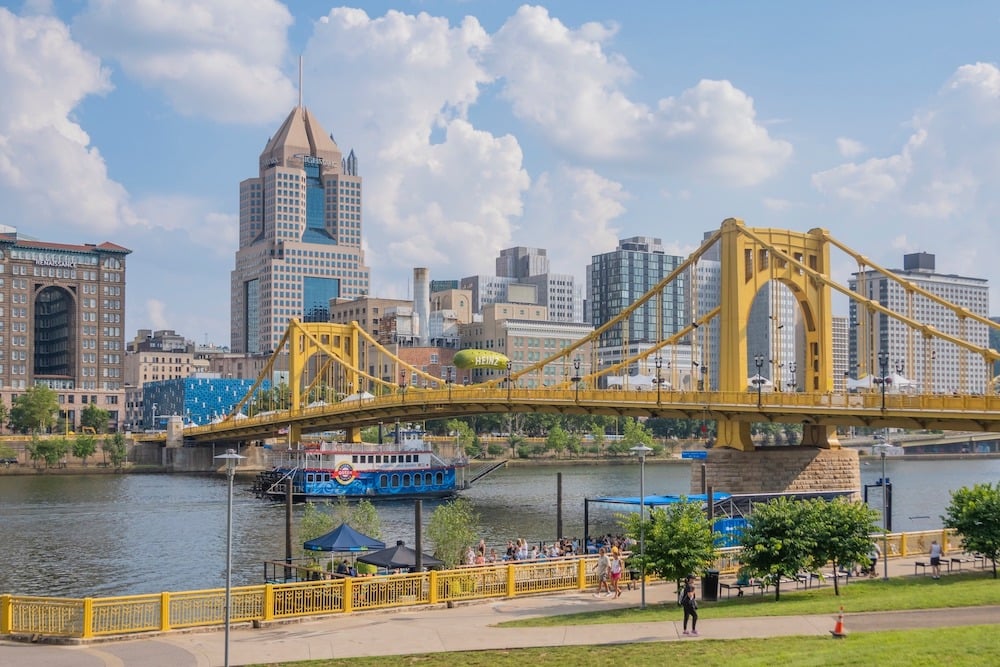
Before I moved to Pittsburgh, I had watched “Perks of Being a Wallflower,” and the scene where the main cast emerged from the Fort Pitt Tunnel onto the Fort Pitt Bridge was burned in my brain. It was a vital moment in the movie accompanied by a beautiful view of the city skyline. My first-hand experience was nothing like that.It was a confusing, chaotic moment where instead of soaking in the views I was more worried about getting in the right lane.
Most of my time driving in Pittsburgh is now spent dodging pot holes, navigating winding roads and hoping that my car can handle driving up the steep inclines. If you can drive in Pittsburgh, you can truly drive anywhere.
What I came to enjoy most about the city was learning all the little things that make Pittsburgh stand out. Pittsburgh is the only city in the United States where all the professional sports teams share the same color (I appreciate the consistency). Pittsburgh’s Canton Ave is one of the steepest drivable streets in the world, with a 37% incline. Pittsburgh is a city of firsts — the first ferris wheel, polio vaccine, commercial radio station (KDKA) and internet emoticon (:-)), to name just a few accomplishments.
I was naive to think that I could move to a place so rich with culture and immediately feel at home;it took me a while to not feel like a tourist. But, after three years here, I can proudly say that I pronounce “Carnegie” right, I can fearfully but safely navigate the roads, and I can even walk up those steep hills without huffing and puffing.