Who Is Carrie? Rivers of Steel Seeks Photo of Woman Behind Iconic Carrie Blast Furnaces
While the organization now knows the full name of the woman whose name lives on through the historical landmark in Rankin, they’re still searching for her face.
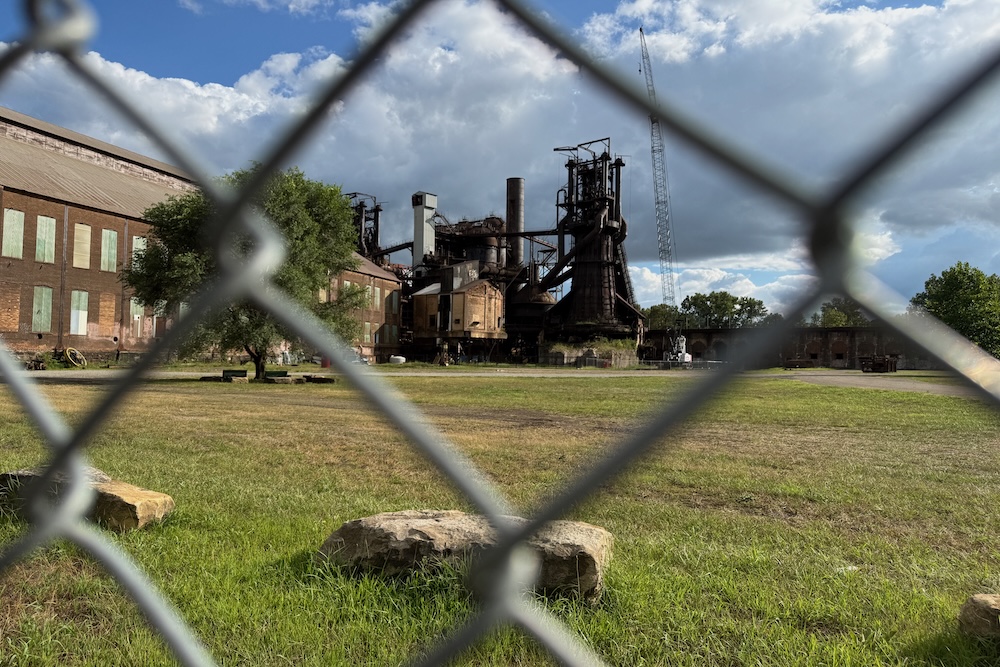
PHOTO BY OLLIE GRATZINGER
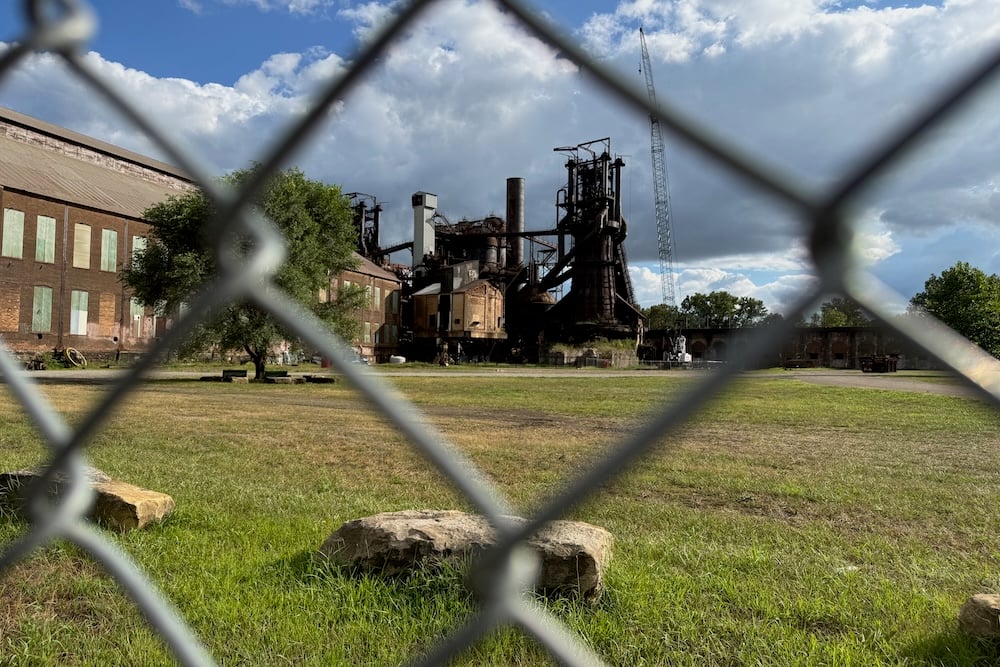
Standing stark and bold some 92 feet above the banks of the Monongahela River are the imposing remnants of the U.S. Steel Homestead Steel Works, but locals may know the towering obelisks by another, more welcoming name: Carrie.
A vestige of Pittsburgh’s 20th-century steel boom, Carrie Blast Furnaces are the only non-operative blast furnaces in the region that remain (mostly) intact. The site is now a national historic landmark overseen by Rivers of Steel, a nonprofit that honors the region’s industrial history and the landscape that fueled it through a wide range of educational programming, including tours, exhibitions, workshops and other events.
But as important as Carrie Furnaces have been to the Steel City’s identity and legacy, its namesake has remained largely unknown — until now.
Historians at Rivers of Steel have confirmed the identity of the woman behind that name: Caroline “Carrie” Bell Clark, a young Pittsburgh woman who helped ignite the first furnace fire in 1884.
On Thursday, March 19, on what would have been Carrie Clark’s 163rd birthday, Rivers of Steel held a press event at the Carrie Blast Furnaces to share the final installment in a multi‑part research series documenting Clark’s life and early death at 25.
“History is at its best when it is human,” Kirsten Paine, historian and author of the research series, says in a statement. “Carrie Clark transforms the furnace from an industrial artifact into something personal — a reminder that people, families, and individual lives shaped this region’s history.”
Clark was born in 1863 in Youngstown, Ohio, and moved to Pittsburgh as a child when her father, industrialist William Clark, established Solar Iron Works in Lawrenceville. Educated at Vassar Preparatory School, and later at Vassar College, Clark played a ceremonial role in the opening of the Carrie Furnace Company in February 1884, when she lit the inaugural fire that christened the furnace bearing her name.
Just four years later, Clark died, but her death certificate lists no cause — something that will continue to remain unknown in the absence of family diaries or personal records. She was buried in the Clark family’s mausoleum in Homewood Cemetery next to her father. No known photograph of Carrie Clark has ever been found.
“‘Who is Carrie?’ has been the most frequently asked question from visitors for decades,” says Ron Baraff, vice president of historic resources and facilities at Rivers of Steel, in a statement. “Now we finally know her name and her story — but we are still searching for her face.”
By sharing Clark’s story publicly, Rivers of Steel hopes that descendants, collectors or historians may come forward with photographs or additional records documenting her life. The research uncovering Clark’s story was led by Rivers of Steel historians, who drew upon archival newspapers, census records, academic files, marriage notices and cemetery documentation to reconstruct her biography. The organization is confident that a picture is out there somewhere.
“If Pittsburgh knows the name Carrie, perhaps someone out there knows the woman,” Baraff says.