When Will Pittsburgh’s Allergy Season Be in Full Bloom?
Studies show that environmental factors are making for worse periods of discomfort that can last longer.
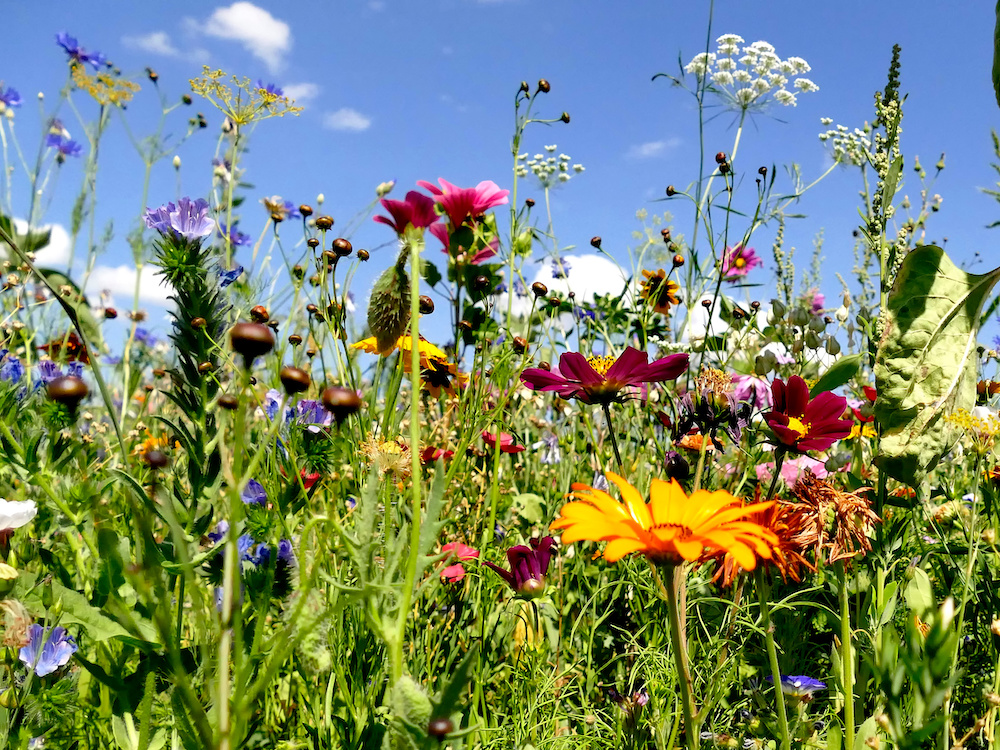
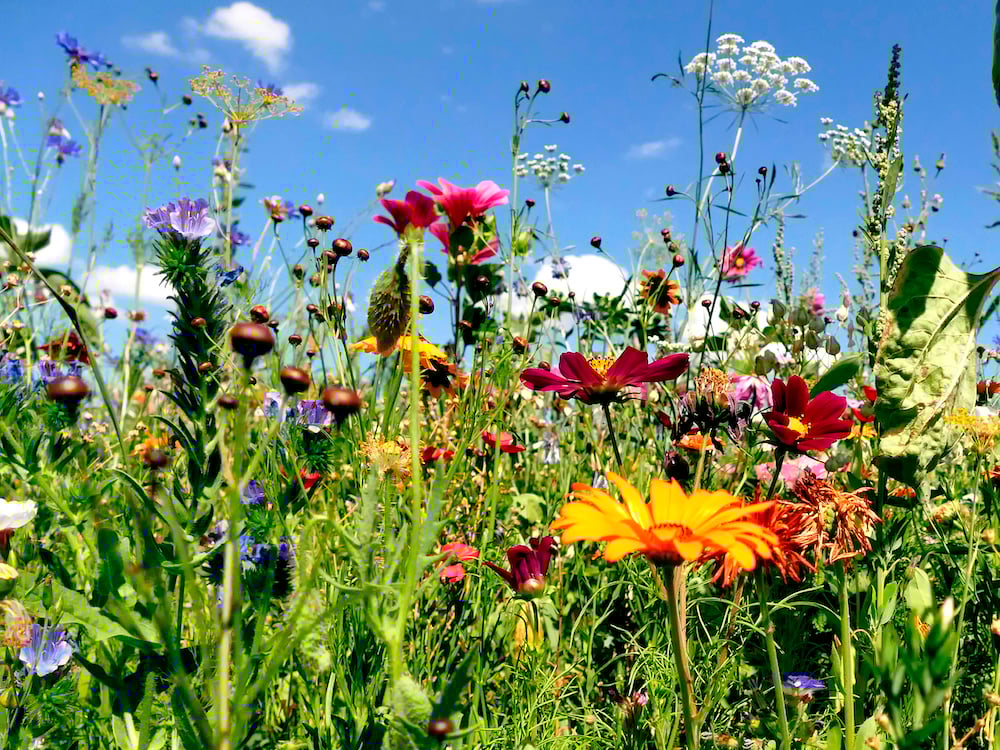
PHOTO COURTESY OF ADOBE STOCK
Although winter weather has been persistent — it has felt more like February than the end of March lately — there’s no denying that spring is right around the corner. With longer days and warmer temperatures come blooming flowers, lush, green trees — and allergy season.
Dr. Russell Traister, an allergist and immunologist with AHN Pediatrics, says there is always some variability on when the allergy season officially begins; it’s largely dependent on how warm it is and how soon that warm weather comes to stay.
Despite the brief period of warm-up we had earlier in March, Dr. Traister says it has still been a cold and tenacious winter. Nevertheless, he estimates Pittsburghers could start to feel the effect of some common environmental allergens within two to four weeks.
Traister adds you’ll know the time has come when you see the “pollen bomb.”
“We know it’s definitely pollen season when you come outside and your car is coated with that yellow dust,” he says. “Spring is mostly tree pollen, summer is mostly grass pollen and late summer and fall is more weeds and weed pollens. And I think every year, the pollen count seems to be increasing.”
He points to a national trend of global warming, with spring- or summer-like weather coming earlier and sticking around for longer. While that might not have been the case this winter, Traister says data shows recent Pittsburgh winters have been milder than those the city may have faced in the past.
“That just makes the growing season longer,” he says. “And that is going to lead to more pollen and more allergies for people.”
According to the Association of American Medical Colleges, warmer temperatures and other environmental factors — such as “biological sexism,” or the strategic planting of only male trees — have made seasonal allergens such as tree pollen, mold and spores worse over recent decades.
Additionally, data shows that the allergy season has been extended by up to three weeks in some regions, leading to longer and more intense periods of suffering for the more than 80 million people nationwide who suffer from environmental allergies.
Traister notes that allergies and respiratory conditions like asthma often go hand-in-hand, and that one can exacerbate the symptoms of the other. The extreme ups and downs in temperatures Pittsburgh has experienced this winter can also make symptoms of asthma or other respiratory conditions worse. Even for people without any allergies or breathing problems, the indecisive weather can still cause discomfort.
“There’s also a non-allergic condition we call non-allergic rhinitis or non-allergic runny nose, where some people are very sensitive to the weather changes, and it’s really the temperature change that tells their nose to run,” he says.
Studies also show that human activity — creating air pollution, using non-native and allergen-producing plants in landscaping and the increasing temperatures and temperature variations caused by climate change — all contribute to the exacerbation of seasonal allergies and respiratory problems.
“Even though our air quality is a lot better from the old steel days and whatnot, [Pittsburgh] is still not a very highly ranked area in terms of air quality. That probably does have an extra effect on people, especially with any respiratory problems,” Traister says. “For example, it’s been a few years now where we’ve had issues with Canadian wildfires and that smoke affecting our area. I don’t recall that ever being an issue before.”
Climate Central, a nonprofit organization that researches climate science, released a report last year that ranks Pittsburgh among the 172 U.S. cities that have seen their freeze-free season lengthen by an average of 20 days, which gives plants more time to grow and release allergy-inducing pollen. Pittsburgh is ranked 59th on the list, with its growing season about 22 days or 11% longer in 2024 than it was in 1970.
On a list of the 25 worst states for pollution, the American Lung Association also ranks Pittsburgh 12th in the country for year-round particle pollution and 16th for short-term particle pollution. Pittsburgh also ranks 23rd out of 100 cities on the Asthma and Allergy Foundation of America’s 2026 Allergy Capitals report, which points to extreme weather caused by human activity.
For those who suffer from allergies, both environmental and manmade, or respiratory conditions made worse by allergies, Traister says there are ways to find relief no matter where you live.
“It’s hard to tell people to just not go outside. That’s not a good prescription,” he says. “If you know you have some environmental allergies, especially at specific times of the year, there are some things you can do to prepare. I usually say when the allergy season is starting and you’re starting to get those symptoms is when you want to make sure you start those allergy medications, if you’re not someone who needs to take them all year round. Start taking your antihistamines [and] your steroid nose sprays like Flonase. The steroids and antihistamines will be the key.”
He also adds that it’s a good idea to change your clothes when you come in from the outdoors, as pollen can stick to fibers. Closing your windows can also help.
“Maybe turn the air conditioner on a little sooner than you might have, just to avoid all that pollen getting in the house,” he says.
He says that allergists are also here to help, and that there are additional options beyond over-the-counter medications for people whose allergies are persistent or severe.
“Many people with allergies can manage them on their own with over-the-counter medications, but I’m here if you can’t,” he says.